6 Point Parent Checklist to Find a Youth Cycling Club with Coffeeride
· 11 min read
Youth cycling clubs exist in most communities, and the good ones combine coach-led skills sessions with a real sense of team. The fastest way to find one is to check for national federation accreditation, then book a free taster session before you commit to anything. You can search local rides and clubs by age group and discipline, so you can line up that first trial this month, instead of putting it off.
TL;DR:
- Nearly all youth cycling clubs are accredited by national federations, and verifying this ensures coaches meet safety and qualification standards.
- Clubs vary from fun-oriented recreational groups to race-focused teams, often grouping children by ability rather than age to maximize skill development.
- Parents should confirm a club’s safeguarding policy, coach qualifications, and liability insurance before signing up, with hesitation signaling potential issues.
- Most clubs hold weekly sessions with gear requirements limited to a properly fitted bike and helmet, and costs can include membership fees, per-session fees, or free trial rides.
- Finding a suitable local club is easier using platforms like Coffeeride, which filter rides by discipline, age, and pace, allowing quick matching and direct contact with organizers.
Table of Contents
- What Youth Cycling Clubs Actually Offer
- A Parent’s Checklist for Choosing a Club
- Coaching, Accreditation and Safety Explained
- Schedules, Gear and What It Costs
- Getting Started This Week
- How Coffeeride Helps You Find and Coordinate Rides
- Where Parents Fit In
- Why Club Cycling Shapes More Than Fitness
- Find Your Kid’s Next Ride With Coffeeride Club
- Sources
- FAQ
What Youth Cycling Clubs Actually Offer
Not every club runs the same way, and that’s the first thing to figure out before you sign your kid up for anything. Recreational clubs focus on fun, bike handling, and building confidence, with little to no competitive pressure. Development clubs sit in the middle: structured coaching, skills progression, and occasional local races for kids who want more than a Saturday spin. Competitive junior teams train toward races on a calendar, often tied to a regional or national federation.
A typical session mixes several activities depending on the club’s focus:
- Bike-handling games (cone weaves, slow races, balance drills) for younger or newer riders
- Group riding on quiet roads or trails to build road sense and pack awareness
- Skills circuits covering braking, cornering, and gear changes
- Coached technical drills for sprinting, climbing, or descending
- Race-specific practice like starts, pacing, and mock time trials for competitive juniors
Age grouping varies more than most parents expect. Clubs often mix ages within a session and instead group by ability or fitness, since a strong 10-year-old can outride a cautious 13-year-old. The best programs, like the model described by Solent Pirates Youth Cycling Club, run multiple disciplines under one roof, from road to mountain bike, so a child can sample formats before settling on one they actually love.
A Parent’s Checklist for Choosing a Club
Picking a club shouldn’t be a guessing game. Work through this list before you commit, ideally while you’re on the phone or exchanging emails with a coordinator.
- Accreditation and affiliation. Is the club recognized by a national cycling federation? That affiliation usually means coaches meet training standards and background checks are in place.
- Coach qualifications. Ask what certification level the head coach holds and whether assistant coaches are qualified or still in training.
- Safeguarding policy. A written policy and a named safeguarding lead should exist and be easy for the club to name on request.
- Coach-to-child ratio. Smaller groups mean more individual feedback, especially for beginners still learning bike control.
- Trial or drop-in policy. Confirm whether the first session is free and what a new family needs to bring.
- Cost structure. Ask if it’s a membership fee, a per-session charge, or a mix of both.
When you actually get someone on the phone, ask direct questions: What does the taster session involve? What happens if a rider crashes or gets hurt mid session? Does the club carry liability insurance? A club that answers these without hesitation is usually one that’s done this before.
Pro Tip: Ask for the safeguarding lead’s name and the date of their most recent background check renewal. Accredited clubs hand this over without a fuss, according to guidance from Preston Park Youth Cycle Club — hesitation on that question is a signal to look elsewhere.
Watch for red flags: no safeguarding policy on the website or in writing, coaches who go unnamed, or a schedule that shifts week to week with no notice. Those inconsistencies tend to predict bigger problems down the line.
Coaching, Accreditation and Safety Explained
National federation affiliation is the clearest signal a club takes coaching and safety seriously. Bodies like the Slovenian Cycling Federation typically require coach training and background checks for youth programs, and the UCI’s discipline pages outline development pathways that many federation-linked clubs build their junior programs around. Affiliation isn’t a guarantee of quality, but it does mean someone outside the club is holding it to a standard.
Ask a coach directly what certification they hold and how recently it was renewed. Confirm what background checks cover, whether they run on a schedule, and who reviews the results.
Safeguarding in a well-run club usually looks like this:
- A named safeguarding lead parents can contact directly
- A written policy available on request or posted online
- A clear process for reporting concerns
- Consent forms and emergency contact details collected before the first ride
National federation accreditation, similar to the model the Slovenian Cycling Federation provides, is one of the strongest indicators that coach training and safeguarding checks are actually happening, not just claimed.
Schedules, Gear and What It Costs
Most clubs run weekly coached sessions, with weekend group rides added during warmer months and a shift toward indoor skills or trainer work in winter. Race-focused teams add a competitive season on top, usually spring through fall, with more structured training blocks leading into it.
Gear needs are simpler than parents expect. A properly fitted bike matters more than a fancy one, and a certified helmet is non-negotiable. Lights become necessary once sessions run into darker evenings. Beyond that, most clubs are happy to lend or check gear during a taster ride rather than demand a full kit list upfront.
Cost models vary by club:
- Membership fees, often billed monthly or per season
- Per-session drop-in fees for casual attendance
- Free taster sessions are common, especially at community-run clubs, based on how groups like Lets Ride Swindon structure their beginner rides
That free first ride is worth taking advantage of before you spend a dollar on membership.
Getting Started This Week
You don’t need to overthink the first move. Here’s the sequence that gets a kid from curious to riding with a club in a matter of days.
- Search local clubs and filter by discipline, distance, and age range.
- Confirm accreditation and check that the session format fits your child’s skill level.
- Contact the club to book a taster session and ask the questions from the checklist above.
- Prepare gear: fitted bike, helmet, water bottle, and any paperwork the club requests.
- Show up early to the first session so your child can meet the coach before the group starts moving.
For a nervous first timer, start in the beginner group even if you suspect they’ll outgrow it fast, and bring a familiar adult along for that first ride if the club allows it. Most clubs will ask for a signed consent form, an emergency contact, and basic medical information like allergies, which is standard practice, not a red flag.
How Coffeeride Helps You Find and Coordinate Rides
Finding a club shouldn’t mean scrolling through ten different websites. You can search and filter local rides by discipline, pace, and age group, so you can find a junior road session or a beginner mountain bike group without digging through unrelated adult-only rides.
Once you find a fit, you can:
- Post or join rides
- Check club event calendars to see upcoming taster sessions or race days
- Message organizers privately to ask about coaching, safety, or what to bring
- Coordinate carpooling with other families heading to the same session
- Find women-only or para-cycling groups where relevant
This platform is built around community first, which matters when you’re trying to get a nervous kid to their first group ride instead of a solo lap around the block.
Where Parents Fit In
Clubs run better when parents show up as more than a drop-off service. Most youth programs rely on volunteers for basic tasks: marshaling group rides, driving to away events, running the snack table, or helping fit a helmet correctly before a session starts. None of it requires a coaching certification.
Some clubs formalize this with a parent roster, rotating who helps at each session. Others keep it casual and just ask for a hand when a big event comes up, like a club championship or a track league night, the kind of seasonal fixtures groups like Preston Park Youth Cycle Club build their calendar around.
Beyond logistics, parent involvement shapes how a kid experiences the club. A parent who sticks around during early sessions, chats with coaches, and gets to know other families turns a weekly practice into a social anchor rather than another activity on the calendar. That matters especially in the first few weeks, when a child is deciding whether this is “their thing” or not.
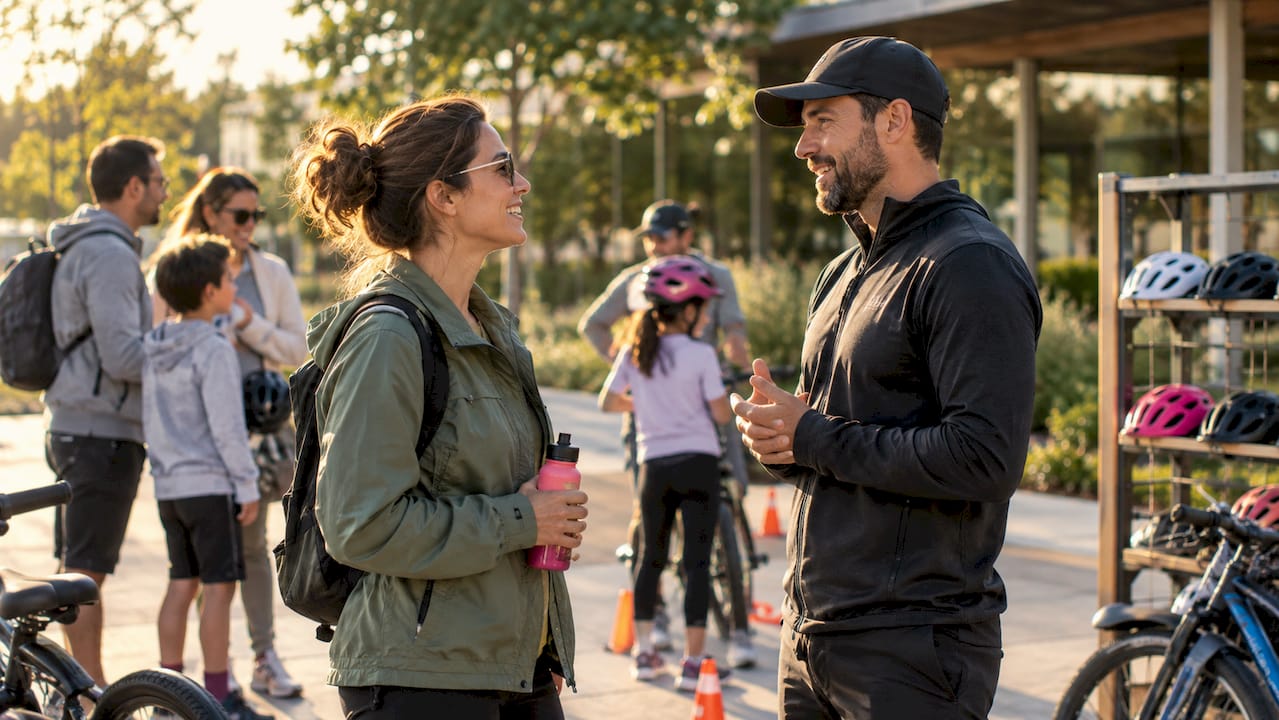
Ask upfront what a club expects from parents. Some want you gone after drop off so kids build independence. Others actively want you involved, especially for younger age groups or smaller clubs running on volunteer power. Neither approach is wrong, but knowing which one you’re walking into saves confusion later.
If your schedule allows it, volunteering even occasionally gives you a clearer read on coaching quality and club culture than any website ever will.
Why Club Cycling Shapes More Than Fitness
Riding with a group teaches kids something a solo ride never will: how to read a pack, support a struggling teammate, and handle a bad race with grace. Confidence built on two wheels tends to carry into the classroom and the friend group too. If you’re weighing options, use Coffeeride to find a trial session nearby and let your kid decide from there.
— Coffeeride
Find Your Kid’s Next Ride With Coffeeride Club
Searching club websites one by one wastes a Saturday you could spend actually riding. The platform puts every local group ride, junior session, and club event in one place, filtered by discipline, pace, and age, so you find a fit in minutes instead of tabs upon tabs of half-updated club pages.
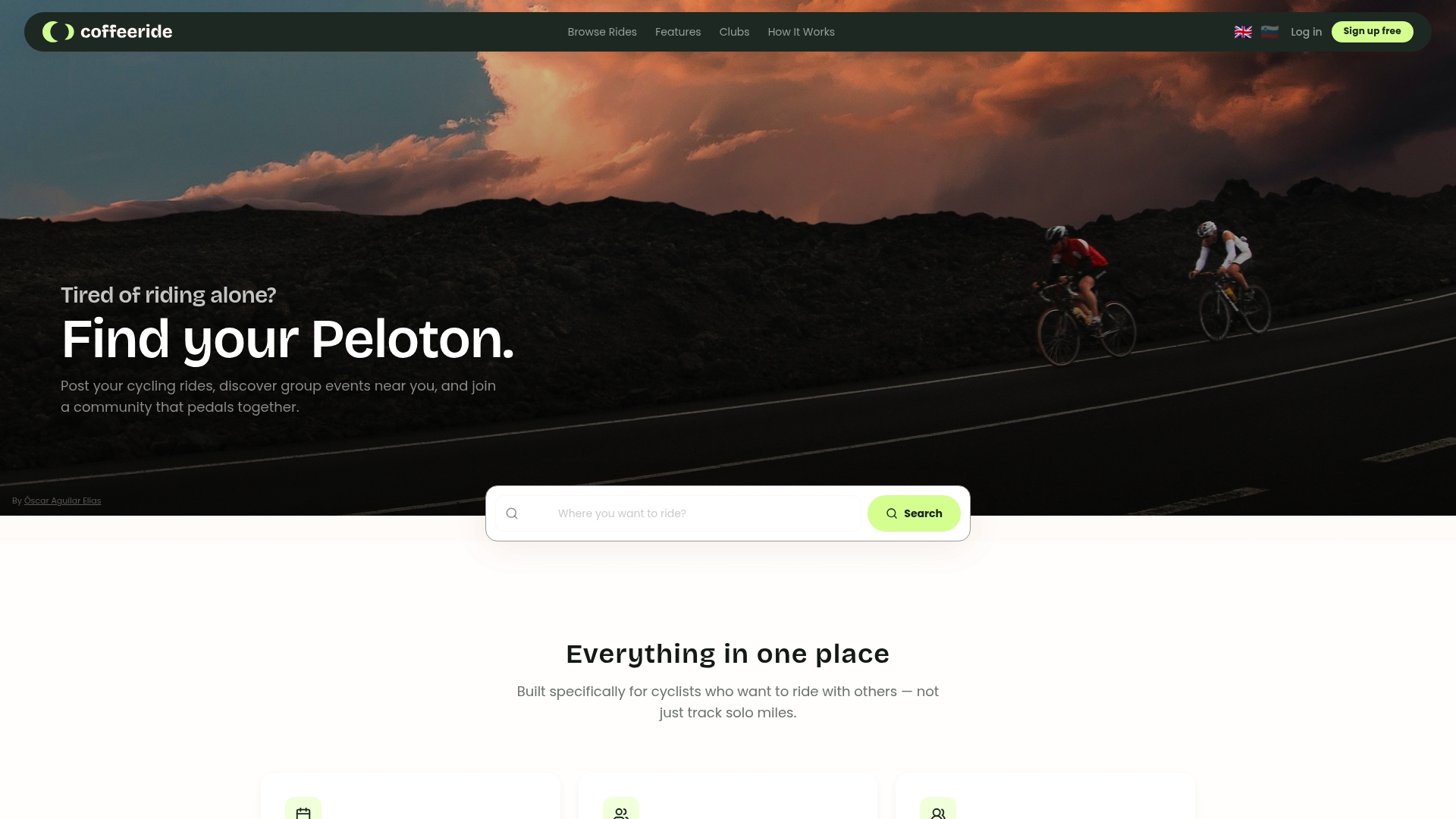
Create a free account, search rides near you, and message a club directly to request a spot in their next taster session. Club organizers can also set up a calendar and keep parents in the loop through private group messaging, so nobody’s chasing a group text for the Sunday meetup point. Head to Coffeeride Club and find your kid’s next ride before the season fills up.
Sources
For deeper reading, the UCI’s road discipline page and mountain bike discipline page outline development pathways by sport. The Slovenian Cycling Federation page is a useful starting point for understanding federation accreditation standards.
FAQ
What age can kids start joining a youth cycling club?
Most clubs accept riders from younger ages, with some running family or balance-bike groups for very young kids. Junior categories typically run through the mid-teen years before riders move into adult or under-23 categories, based on how clubs like Solent Pirates structure their programs.
What is the 75% rule in cycling?
There’s no single universal “75% rule” recognized across cycling federations, and definitions vary depending on the context, whether that’s training zones, race cutoffs, or nutrition guidance. If a specific club or coach references it, ask them directly what threshold they mean.
What is the 80% rule in cycling?
Similarly, the “80% rule” isn’t a standardized term in youth cycling. It sometimes refers to training at a moderate effort for the bulk of a season, but the definition shifts by coach and program, so treat it as informal shorthand rather than an official standard.
Who are the “big six” in cycling?
This term usually refers to major professional men’s road racing teams or Grand Tour contenders, not a youth cycling concept. It has no direct bearing on junior clubs or how they’re structured, so don’t let the phrase distract from what actually matters for your child’s program.
How do I find a youth cycling club near me?
Search platforms like Coffeeride let you filter local rides and clubs by discipline, age group, and pace, which narrows results faster than browsing individual club websites. Once you find a match, contact the organizer directly to ask about a taster session before committing to membership.


