Find Your Pace Matched Gravel Crew With Coffeeride
· 9 min read

Check your local cycling club’s calendar, browse a community platform like Coffeeride, or book a guided tour operator’s next departure. Show up ready to follow the ride leader’s briefing, ride at the announced pace, and stick around after for coffee or lunch. Carry a GPX file and a spare tube. Run roughly 40mm tires. That’s the whole formula.
TL;DR:
- Most gravel rides are listed on local club calendars, community platforms, guided tour operators, or social media groups, making filtering straightforward.
- Ride formats vary from social and steady rides to competitive or guided tours, with pace often described as conversational or brisk rather than exact numbers.
- Preparing for a ride includes checking the organizer’s contact info, ride details, bringing essential gear, and matching your fitness level to the route’s distance and effort.
- Tire width of around 40mm is recommended for mixed European gravel, and packing a spare tube, multi-tool, lights, and water ensures readiness for common issues.
- Group size should be limited to 8 riders on narrow trails or technical sections, with larger groups acceptable on open roads, and proactive communication enhances safety and community.
Table of Contents
- Where To Find Gravel Group Rides And Events
- What To Expect On A Gravel Group Ride
- How To Join A Ride Or Start Your Own
- Gear And Fitness Prep For Group Gravel Rides
- Why Coffeeride Makes Finding Your Next Ride Easier
- Community Over Speed
- Ready To Find Your Next Gravel Crew?
- Sources
- FAQ
Where To Find Gravel Group Rides And Events
Most riders overcomplicate the search. Gravel group rides live in a handful of predictable places, and once you know where to look, filtering out the wrong ones takes minutes.
Local cycling clubs post recurring rides on their own calendars, often broken into categories like “social pace,” “B group,” or “spicy.” Read the meeting notes closely. A club that lists a specific regroup point and average pace is more organized than one that just says “Saturday, 9am, bring a bike.”
Community platforms and apps are the fastest way to filter by what actually matters to you: pace, distance, terrain type, and who else is riding. Some community platforms let you sort rides by discipline and skill level, join a women-only group, or find a private club that matches your weekend rhythm, so you’re not guessing whether a listed “moderate” ride means 15 miles or 50.
Guided and multi-day tour operators offer a fully supported option if you’d rather not organize logistics yourself. Operators running trips like the Slovenia Backcountry Gravel Bike Tour build in evening briefings, mechanical support, and GPX navigation packs, so every rider starts the day knowing the route and the terrain ahead. Book these early. Popular departures fill months out.
Social media groups and local bike shops round out the list. A shop that hosts a weekly shakeout ride usually has staff who can vouch for the route and the crowd.
Before you commit to any listing, run through this quick check:
- Is there a named ride leader or contact person listed?
- Does the post state distance, elevation, and surface type (percent gravel vs. pavement)?
- Is there a regroup or bailout point mentioned?
- Has the organizer posted rides before, with visible RSVPs or comments?
What To Expect On A Gravel Group Ride
Gravel rides come in more flavors than road group rides, and knowing the format before you show up saves you from a bad match.
- Social rides prioritize conversation and regroups over speed. Expect frequent stops and a leader who waits for the back of the group.
- Steady rides hold a consistent, moderate effort. Riders take turns pulling, and nobody attacks.
- Spicy rides push a faster, more competitive pace, usually with less regrouping. These attract riders training for events.
- Guided tours run on a fixed daily route with a lead and sweep rider, mechanical support, and a set schedule.
- Women-only rides create a dedicated space for riders who want a lower-pressure entry point or a specific community.
Ride leaders typically describe pace in relative terms, “conversational,” “brisk,” “hammerfest,” rather than exact numbers, since gravel speed swings wildly with terrain and weather. Listen for hazard calls (“hole left,” “car back”), practice single-file passing on narrow doubletrack, and keep lights on even in daylight if the route crosses roads. On guided tours, attending the mandatory morning briefing isn’t optional. It’s where you learn about the day’s technical sections and alternate lines.
Pro Tip: If a ride listing has no named leader, no contact info, and vague meeting instructions, skip it. Those are the three biggest red flags for a poorly run or unsafe event.
How To Join A Ride Or Start Your Own
Joining is the easy part if you prepare like this:
- RSVP through the platform or club so the organizer has a headcount.
- Download the GPX file and skim the elevation profile the night before.
- Confirm the stated pace and distance actually match your fitness.
- Pack a spare tube, mini pump, and a multi tool. Don’t assume someone else has one.
- Arrive 10 to 15 minutes early. Late arrivals disrupt the group’s start time.
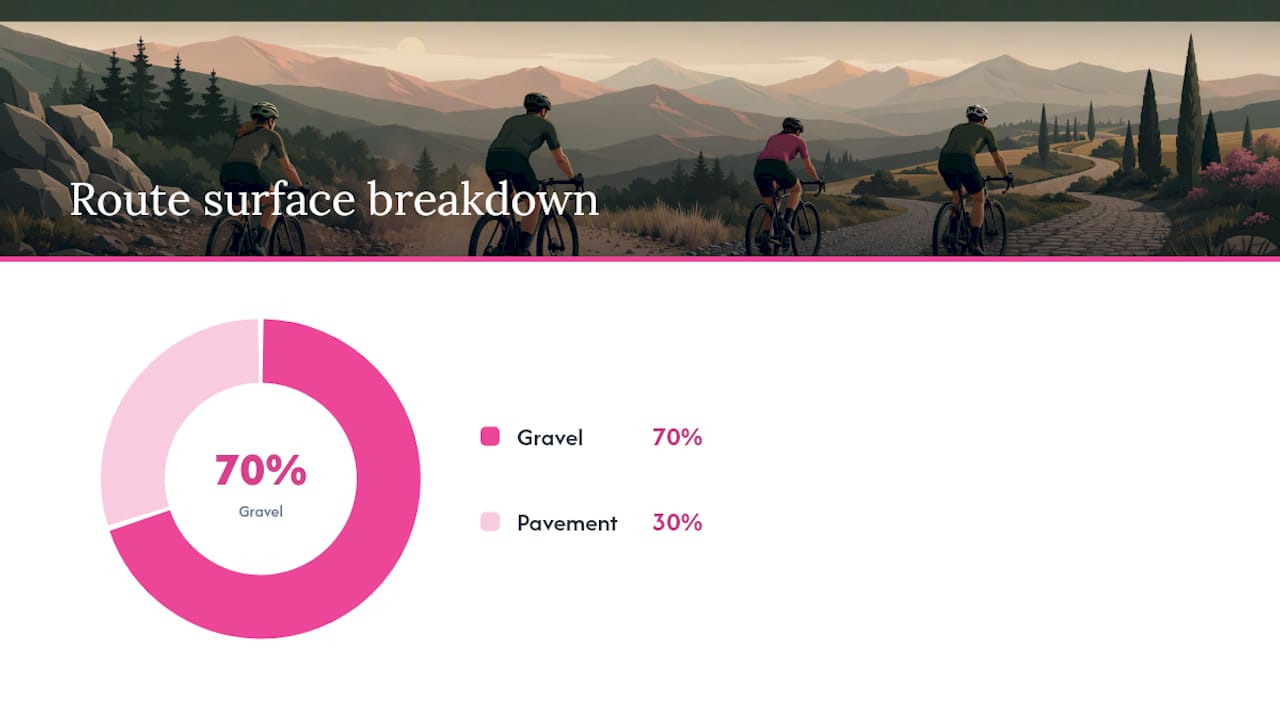
Starting your own ride takes a little more structure but pays off in better turnout. Post the meeting point, a route summary, the surface breakdown (say, 70% gravel, 30% pavement), your contact info, estimated moving time, and where you’ll regroup. Attach a GPX link and elevation profile so riders can gauge effort before committing. Send a reminder message the morning of, and keep a group chat open for last minute changes.
Match group size to terrain. A wide, open gravel road handles a group of 20 fine, but narrow singletrack sections call for capping the group closer to 8 riders or running staggered starts, the same limit guided tour operators use to keep things safe and social. Always have a plan B for mechanicals, sudden weather, or a rider who needs to bail early.
Gear And Fitness Prep For Group Gravel Rides
You don’t need a race bike to join a social gravel ride, but a few basics make the difference between an easy day and a rough one.
Tire choice matters most. Organizers commonly recommend roughly 40mm tires as the standard for mixed European gravel, wide enough to absorb chatter without dragging like a mountain bike tire. Trail conditions shift fast after rain, so expect ruts and softer lines even on routes you’ve ridden dry.
Pack these every time:
- Spare tube or a patch kit, plus a pump or CO2
- A compact multi-tool
- Lights, even for daytime rides near roads
- Basic first aid and enough water and snacks for the full distance
Fitness-wise, most social rides are approachable if you can comfortably ride 90 minutes to two hours at a steady effort. Build up gradually before tackling a multi-day camp; a weekend event is a smart intermediate step before a longer supported tour. For navigation, load your GPX file onto a phone with offline maps or a dedicated GPS unit, since gravel routes often lose cell signal. If you’re riding an e-bike, mention it to the organizer beforehand so the group can plan pace and regroup points accordingly.
Why Coffeeride Makes Finding Your Next Ride Easier
Some platforms were built around one problem: too many riders end up riding alone because the right ride is hard to find. Post a ride, browse local events, or join a club filtered by discipline, pace, and distance, so you spend less time guessing and more time pedaling. Group messaging keeps route changes and meetup details in one place instead of scattered texts.
Whether you’re hunting for a Saturday social spin, a women-only beginner group, or a city’s spiciest gravel crew, discovery tools can cut the friction between wanting to ride and actually showing up with the right people.
Community Over Speed
Gravel culture is shifting away from pure performance and toward curated, social experiences, events built around evening briefings, small groups, and a shared meal at the end, mean more to most riders than a Strava segment. Organizers who prioritize clear communication and cap group sizes on tight trails build safer rides and better communities. One easy fix any ride leader can make tomorrow: post a five-minute voice or video briefing covering pace and hazards before the ride even starts.
— Coffeeride
Ready To Find Your Next Gravel Crew?
Some community platforms help you stop scrolling scattered social posts and start riding with people who match your pace. Search local rides by discipline and distance, join a club that fits your riding style, or post your own ride in minutes with a GPX link and meeting point built in.
Sign up free, filter by pace and terrain, and message your group directly once you’ve joined. If you’re organizing your first ride, read through Coffeeride’s community and safety guidelines before you post, they cover everything from group size recommendations to how women-only rides stay private within the app. Head to Coffeeride Club to create your profile and find your peloton today.
Sources
FAQ
What Counts As A Gravel Group Ride?
A gravel group ride is any organized ride on mixed surfaces, gravel roads, doubletrack, or dirt paths, done with other cyclists rather than solo. Formats range from casual social spins to guided multi-day tours with mechanical support and staged routes.
How Do I Find Gravel Rides Near Me?
Check your local bike shop’s ride calendar, search a community platform like Coffeeride for events filtered by pace and terrain, or look up regional club listings. Guided tour operators also publish scheduled departures for riders who want full support.
What Tire Width Should I Use For Group Gravel Rides?
Most organizers recommend around 40mm for mixed European gravel terrain, wide enough for stability without sacrificing rolling speed on pavement sections. Adjust wider if the route includes rougher, technical trail.
Is Coffeeride Free To Use For Finding Gravel Rides?
Yes, Coffeeride is currently free to use for posting rides, joining clubs, and discovering local gravel events. Check the app directly for the most current features and any future premium options.
How Big Should A Group Gravel Ride Be?
Wide gravel roads can comfortably handle large groups, but narrow or technical sections call for smaller packs, often capped around 8 riders, the same limit many guided tour operators use for safety and pacing. Staggered starts work well when you can’t reduce numbers.


